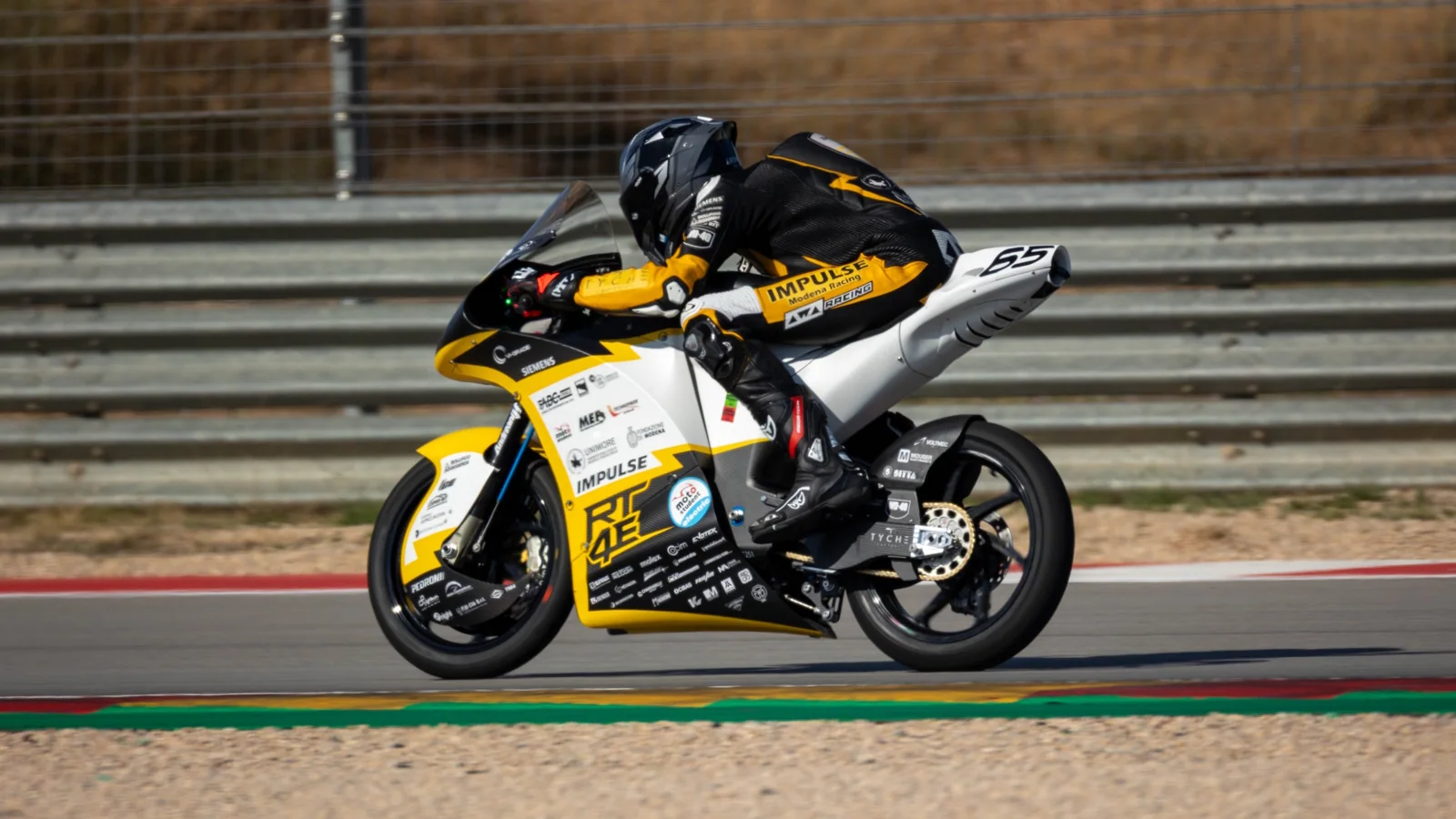
 Impulse Modena RacingWorkNov 2024 – Dec 2025
Motorcycle Track, Suspension and Handling Models
Led a team of five to rebuild the track, tire and suspension models of the bike simulation. A MATLAB pipeline turned GPS telemetry into virtual tracks, and the model guided setup choices before going on track.
More realism, less accuracy
In the new season the Simulink model of the Electronics division (motor, battery management, thermal effects) was coupled to our VI-grade simulation. More realistic, but slower: to win back accuracy, the suspension, tire and track models, only partly validated the year before, had to be rebuilt.
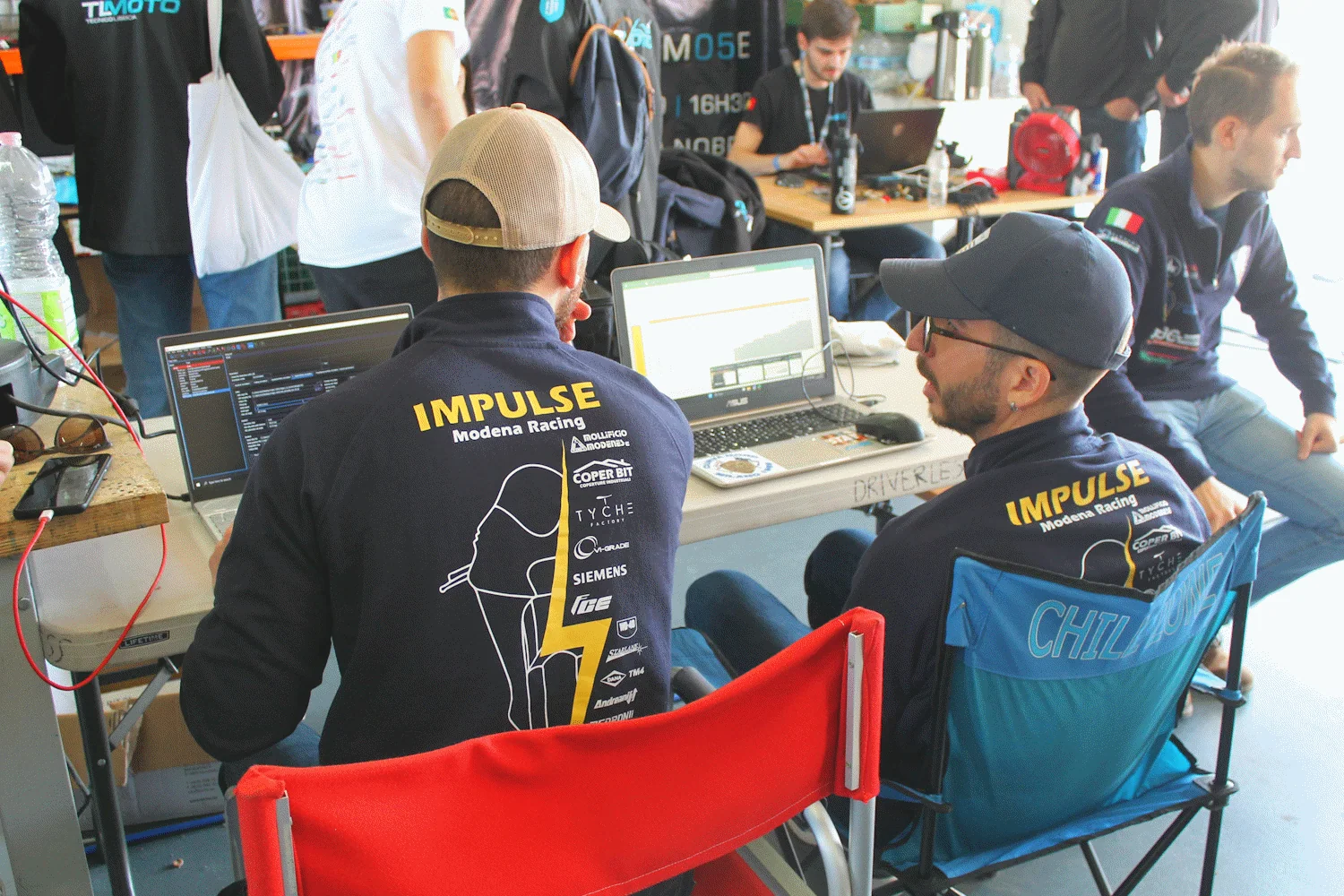
From GPS points to a virtual track
I led five new members: I trained everyone on VI-grade, we rechecked the suspensions against datasheets and basic tests, and I replaced an overly polygonal tire curve with a smoother, physically coherent one.
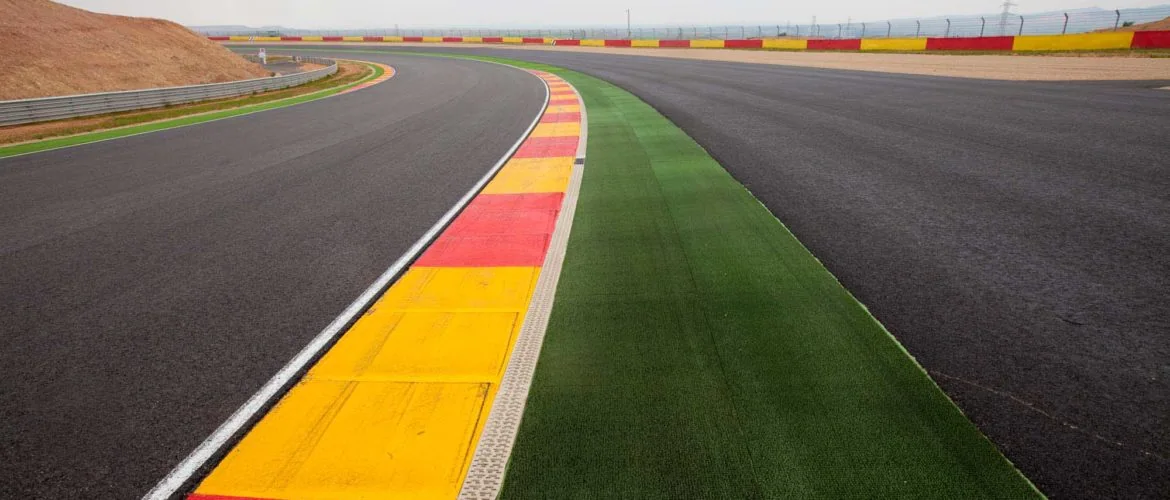
The biggest job was the tracks. I wrote a MATLAB pipeline that turns GPS telemetry into VI-Road profiles, filtering the noise with Fourier analysis and moving means while keeping the real geometry.
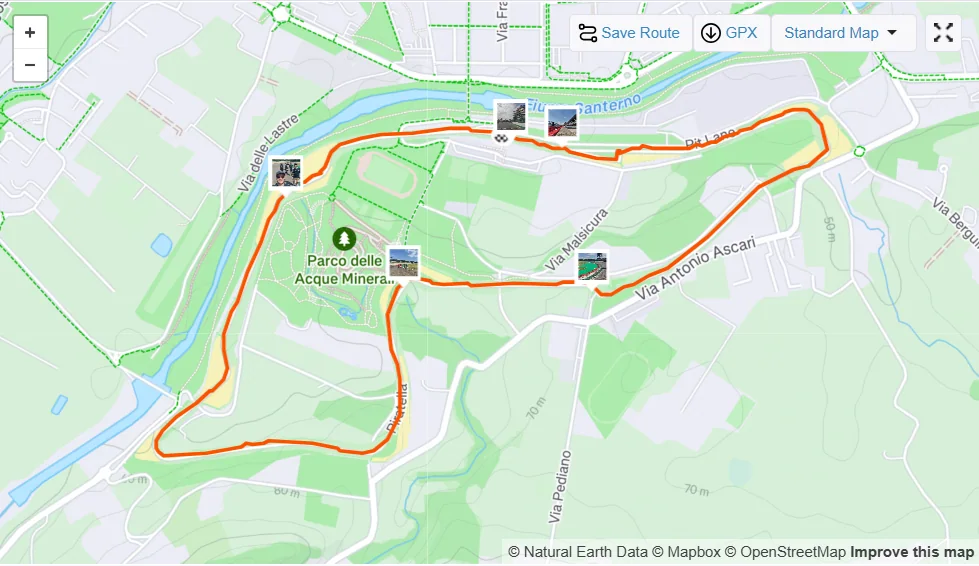
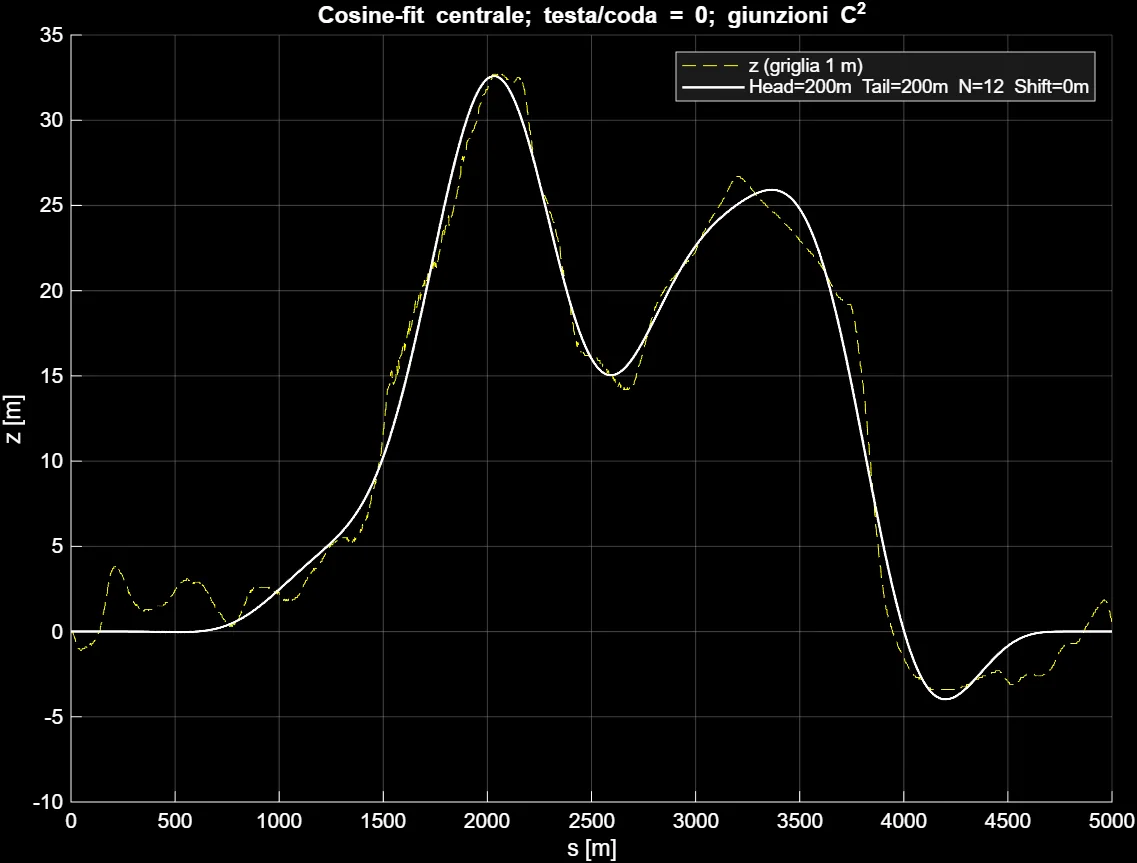
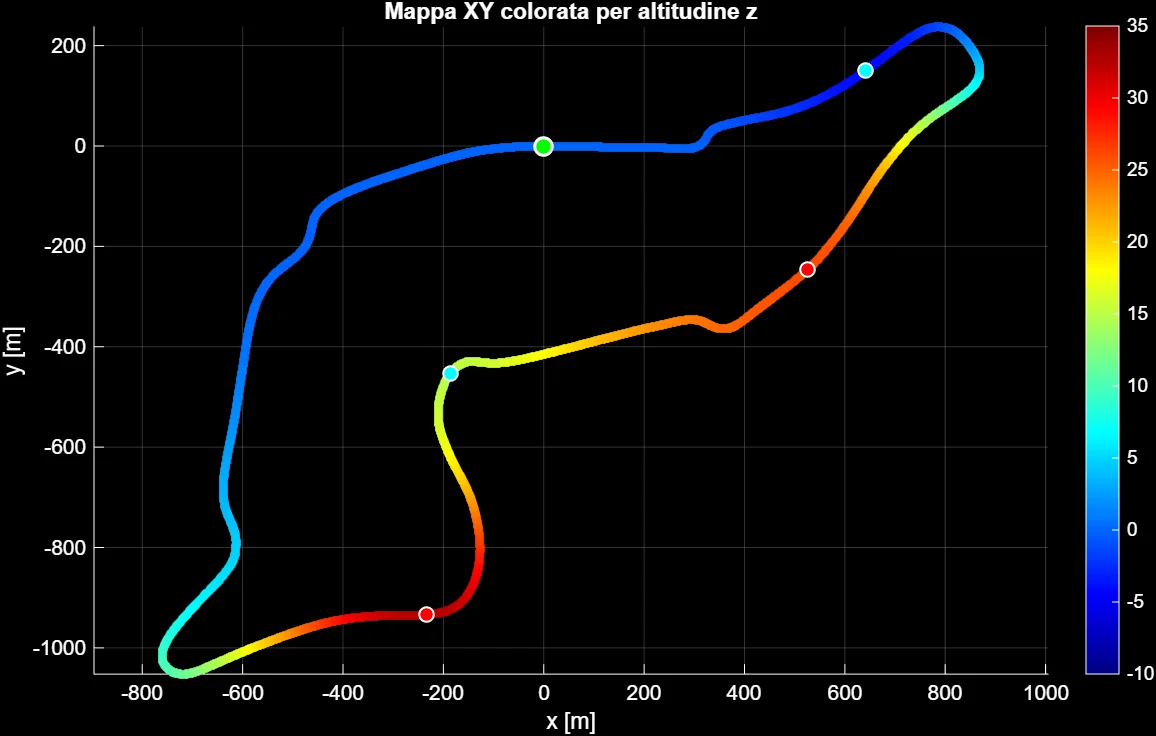
Faster than the real bike, on purpose
With the new models the simulated lap was at times up to a second quicker than the real one, so the virtual rider could be retuned to the real rider’s style. The team then used the simulation to choose gear ratios, fork position and angle and rear rod length, and to estimate tire wear before going on track, up to the MotoStudent competition at MotorLand Aragón.
The idea behind it: a simulation does not need to copy reality perfectly. It needs to match or beat it consistently, so that every change can be judged before the bike leaves the garage.
Book a call: the calendar opens right here.
Book a call
Pick a day and time for a Google Meet video call
Choose a day
No free times on this day.
Booked!